AI-Manipulated Content and Deep Fakes

Click a heading to jump straight to it or scroll down 

What is a deep fake?

  • Deepfakes and AI-manipulated content are terms used to describe content created or altered using AI technology to appear real
  • Elections as well as other key editorial themes such as war and conflict, health and climate are frequent targets for AI-generated or modified images, video and audio
  • An estimated 99 per cent of those targeted by AI deepfakes are women, according to an address by the UN’s Human Rights deputy chief Awa Dabo in June 2026. She calls it ‘inventive high-tech oppression’. The UN adopted a term in 2022 which encapsulates this idea. It’s ‘technology-facilitated gender-based violence’. 

    Click
    on the heading below to find out more.

Example of AI-manipulated content

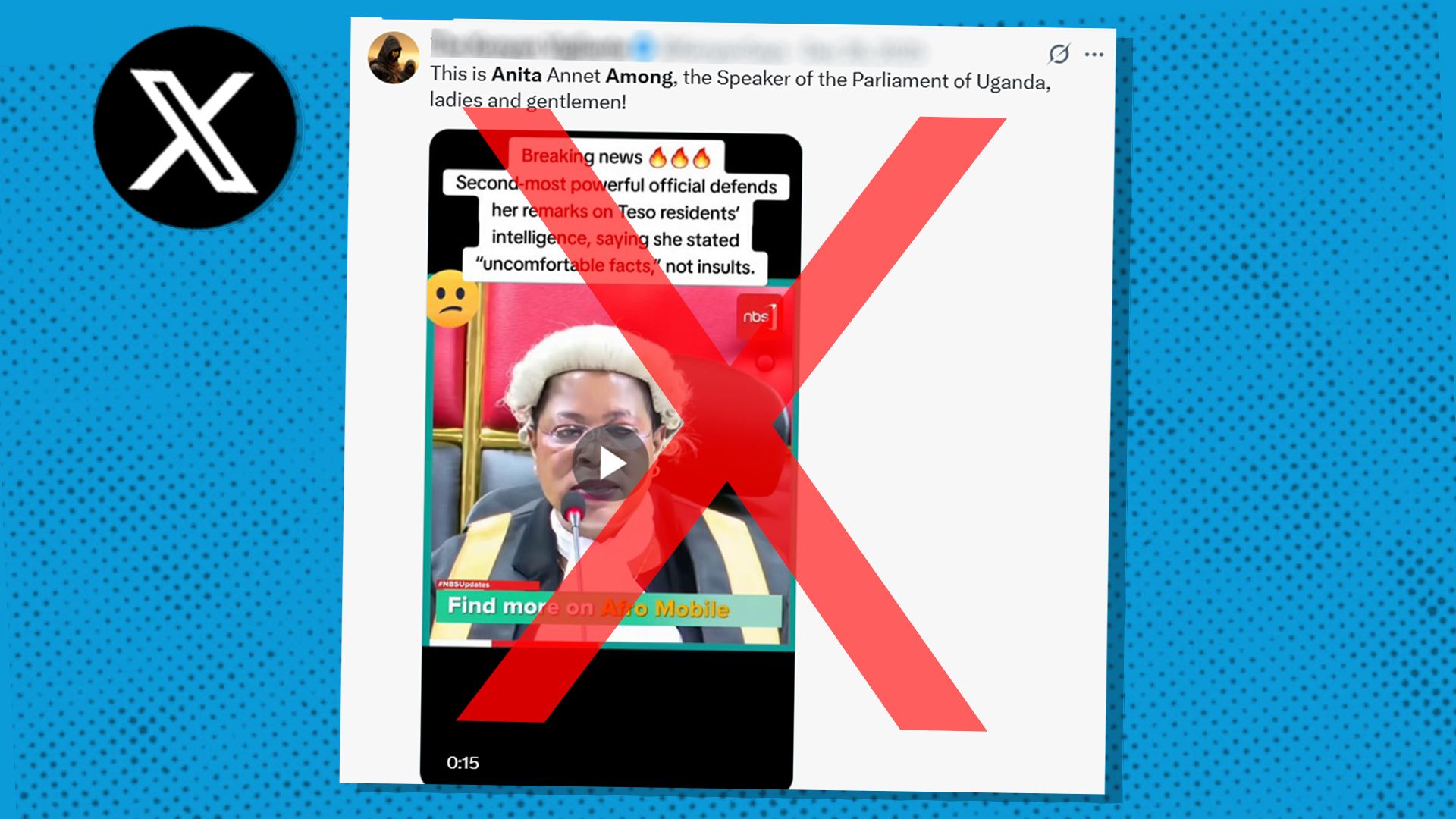
Anita Among, the Speaker of the Ugandan Parliament was one of the politicians targeted during the country’s 2026 Election.
This example of AI-manipulated content which was shared on X and labelled ‘Breaking news’ claims to show the Speaker describing herself as the ‘second most powerful person in the country’ and that people from Teso are smarter than other tribes. 
Fact-checking the source of the video (reverse image and frame searches) traces it to a Uganda Broadcasting Corporation parliamentary broadcast where Speaker Among is presiding over a routine session. The original clip shows her talking about the Uganda Cranes’ celebrations. It was taken from NBS and then manipulated. 
The real footage has been taken out of context, edited and rebranded to exacerbate community tensions and create distrust in her and her ability to perform her role.  
Work through the fact-checking process yourself for this example in Section 3 Test a claim: the questions to ask **** hyperlink

Why do the media use AI if it’s dangerous?

AI is a technology. What makes it dangerous is how easily and quickly that technology can be weaponised by those looking to create and spread mis- and disinformation. 
Used ethically, AI tools can offer big benefits to newsrooms. 
Click on the hotspots below to find some examples.  

When are you likely to see/read/hear AI-manipulated content and deepfakes?

  • As with any type of disinformation, AI-manipulated false content and deepfakes are a constant presence
  • Any person can be targeted from politicians, journalists and celebrities to ordinary people who find themselves in the news. If those people are women, they can find themselves victims of misogynistic tropes including claims they got their job through sex or they are incompetent, both of which were seen during the Ugandan election period*. 

Who is creating false information using AI?

As with any type of disinformation, we don’t always know who is responsible, but the primary culprits appear to be:
  • Foreign governments intent on provoking societal unrest 
  • Politicians and their supporters intent on damaging their opponents
  • Incel groups and those promoting misogyny 
  • Scammers wanting to trick people into sending them money or their personal information
  • Pranksters creating mischief to watch their work go ‘viral'

What is the impact?

As technology advances, deep fakes are becoming more realistic making it very difficult for the public to tell what is real and what is not. It increases the risk of false information spreading further and faster. 
The snowball effect of digital manipulation is that informed public participation gets damaged which can ultimately be a threat to democratic processes. 
According to a study by the Georgetown Institute for Women, Peace and Security 85 per cent of women globally have experienced or witnessed technology-facilitated gender-based violence*. The impact can deter women from political participation and engagement in public life. 

What can I do?

Be curious and ask questions. A healthy information ecosystem where audiences trust professional journalism depends on everyone playing a part. That includes journalism students developing the skills and ethical standards needed for credible reporting.
Educate yourself
on how to use AI tools (there are many free open-source media tools known as OSINT tools) to spot false claims (see Core Skills section of this Toolkit and the Toolkit Library).

Inform those around you by sharing how to verify information to help them become more AI literate.

When you read/hear/see something, think before you share it with anyone else and take these three steps:   

Pause 

and be cautious

Question 

 if it might be a lie

Fact check

any claim before you share it

Educate 

yourself on how to use AI tools (there are many free open-source media tools known as OSINT tools) to spot false claims (see Core Skills section of this Toolkit and the Toolkit Library)

Inform

those around you by sharing how to verify information to help them become more AI literate. 
*Links for news articles, sites and information referenced can be found in Resources.